What Divorce Really Costs and How People Find Attorneys Who Handle It
Divorce is expensive. That’s not news to anyone who’s been through one or watched a friend go through one. But what most people don’t realize is just how much the search for a divorce attorney has changed. Gone are the days of flipping through the Yellow Pages or asking a neighbor for a referral over the fence. Today, the first thing most people do when they start thinking about divorce is type something into Google. And what they type, how they type it, and what shows up on that first page of results determines which law firms get the call.
The Search Queries That Drive Divorce Cases
People searching for divorce-related legal help don’t type neat, professional phrases. They type what they’re feeling and what they’re worried about. “How much does a divorce cost” is one of the most commonly searched legal phrases in the country. “Affordable divorce lawyer near me” is another big one. “Contested divorce cost” spikes in searches when people realize their split isn’t going to be simple.
These aren’t casual searches. Someone Googling “contested divorce attorney cost” at 11 p.m. on a Tuesday is a person who needs help. They’re not browsing. They’re not comparison shopping for fun. They have a real legal problem, and they’re looking for someone who can solve it. Law firms that show up for these searches are positioned to capture clients at the exact moment of highest intent.
The challenge is that most law firms aren’t thinking about search behavior this way. They build websites that talk about their credentials, their awards, their years of experience. All of that matters, but it doesn’t match what potential clients are actually searching for. There’s a disconnect between what law firms want to say and what people want to hear.
Why Cost-Focused Content Wins
Here’s something that surprises a lot of attorneys. Content that directly addresses cost questions tends to outperform almost every other type of legal content online. It makes sense when you think about it. Cost is the number one barrier to hiring a lawyer. People are scared of the bill before they even pick up the phone.
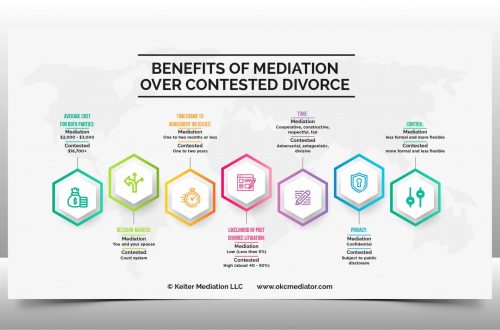
A blog post that honestly breaks down what an uncontested divorce might cost versus a contested one, that explains retainer fees and hourly rates and court filing costs, performs extremely well in search results. Not because it’s flashy, but because it answers the question people are actually asking. Google rewards content that satisfies search intent, and few topics carry more intent than “how much is this going to cost me.”
Law firms that publish transparent, helpful content about divorce costs tend to see two things happen. First, their organic traffic increases because they’re ranking for high-volume keywords. Second, the leads they generate are often more qualified. Someone who has read a thorough breakdown of divorce costs and then picks up the phone is a person who understands the investment and is ready to move forward.
Contested vs. Uncontested: A Content Opportunity
The difference between contested and uncontested divorce is one of the most valuable content topics a family law firm can cover. Most people don’t know the distinction when they start searching. They just know they want a divorce, or they know their spouse wants one, and they’re trying to figure out what comes next.
Content that explains the difference clearly, that walks through how a contested divorce unfolds, what drives the costs higher, and what factors might keep costs down, serves a genuine educational purpose. It also happens to target some of the most competitive and valuable keywords in family law SEO. Firms that create this content thoughtfully, without stuffing it with legal jargon or making it feel like a sales pitch, tend to build trust with readers before the first consultation ever happens.
Geographic Targeting Changes Everything
Divorce law varies by state. Filing fees are different. Residency requirements are different. The process for a contested divorce on Long Island looks different from the process in South Carolina. This is where geographic specificity becomes a serious advantage in search rankings.
A law firm in Suffolk County that publishes a page titled “What Does a Contested Divorce Cost in New York” is going to have an easier time ranking locally than a firm with a generic “Divorce Services” page. Google’s algorithm heavily favors content that matches both the topic and the location of the searcher. When someone in Myrtle Beach searches “affordable divorce attorney,” Google wants to show them results that are relevant to Myrtle Beach, not a national directory.
This is why localized content strategies work so well for family law practices. Creating pages and blog posts that address divorce costs, timelines, and processes specific to a particular state or county signals to search engines that the firm is a local authority on the subject. It also helps potential clients feel like they’ve found someone who understands their specific situation, not just divorce in general.
The Role of Google Business Profiles and Reviews
Search results for divorce attorneys typically show a map pack near the top of the page. Those three local listings with the map pin get a huge share of clicks. Getting into that map pack requires a well-optimized Google Business Profile, consistent name and address information across the web, and a steady flow of client reviews.
Reviews matter more than most attorneys realize. A firm with 47 five-star reviews is going to attract more clicks than one with 3 reviews, regardless of how experienced the attorneys are. Potential clients read reviews the same way they read restaurant reviews. They’re looking for patterns. Did people feel heard? Were costs explained upfront? Was the outcome reasonable? These are the questions running through a potential client’s mind as they scroll through testimonials.
Encouraging satisfied clients to leave reviews isn’t pushy. It’s practical. Many firms have found success simply by sending a follow-up email after a case wraps up with a direct link to their Google profile. The firms that do this consistently build a review profile that compounds over time, making their map pack listing more and more competitive.
Technical Factors That Quietly Kill Rankings
Content strategy gets most of the attention, but technical website issues can undermine even the best content. Slow page load times are a ranking factor. If a firm’s website takes four seconds to load on a phone, a significant percentage of visitors will leave before the page even finishes rendering. Google tracks this behavior and adjusts rankings accordingly.
Mobile responsiveness is non-negotiable at this point. More than half of legal searches happen on mobile devices. A website that looks great on a desktop but breaks on an iPhone is losing potential clients every single day. The same goes for confusing navigation. If someone can’t find the “Contact Us” page within a few seconds, they’re going to hit the back button and click on the next result.
Site structure also plays a role that many firms overlook. Pages should be organized logically, with clear internal linking between related topics. A page about contested divorce should link to a page about divorce mediation, which should link to a page about child custody. This structure helps search engines understand the breadth of a firm’s expertise and helps visitors find the information they need without getting lost.
Playing the Long Game
SEO for divorce-related keywords isn’t a quick fix. Rankings take time to build, and the firms that succeed are the ones that commit to a sustained content strategy over months and years. Publishing one blog post about divorce costs and hoping for the best isn’t a strategy. Building out a comprehensive library of content that covers every angle of divorce law, from costs to custody to property division, is what eventually moves the needle.
The payoff, though, is significant. A law firm that ranks on page one for “contested divorce cost” in its local market is essentially receiving a stream of qualified leads without paying per click. Unlike paid advertising, where the leads stop the moment the budget runs out, organic rankings continue to deliver traffic as long as the content stays relevant and the website stays healthy.
For law firms that handle divorce cases, the question isn’t whether potential clients are searching online. They absolutely are, in large numbers, often late at night, often feeling overwhelmed. The question is whether those searchers are finding your firm or finding the competition. The answer usually comes down to which firm took its content and search strategy more seriously.